Why High-THC Hash Is Making a Comeback in Modern Concentrate Culture
Hash has been part of cannabis culture for centuries, but the modern concentrate scene has given it new life
Walk into any dispensary today and you will see rows of glass jars filled with everything from translucent live resin to buttery budder. But tucked away on the bottom shelf, or sometimes sitting front and center, you will often find a familiar dark block of hash. Not the crumbly dry stuff your friend’s uncle used to sell wrapped in cellophane. I am talking about high-THC hash, the kind that glistens under a microscope and hits like a freight train when you dose it right.
I have been buying and sampling cannabis concentrates for years, and I can tell you that hash has quietly evolved. The old reputation of hash being a second-rate option compared to live resin or shatter is fading. Producers are now applying advanced techniques like solventless extraction and ice water hash methods to create products that rival anything from a hydrocarbon extraction. The result is a return to a classic form, but one with potency numbers that would have seemed impossible a generation ago.
What makes modern hash different from the old-school stuff
Traditional hash was made by rubbing ripe cannabis plants or sifting dried flowers through screens to collect the resin glands. The resulting powder was pressed into bricks or balls. It was effective, but the potency was limited by the starting material and the crude separation methods. Today, makers start with carefully grown trichome-rich plants and use precise cold-water agitation to separate the trichome heads from the plant matter. This ice water hash, when dried and pressed, preserves a much higher concentration of THC and a fuller spectrum of cannabinoids and terpenes.
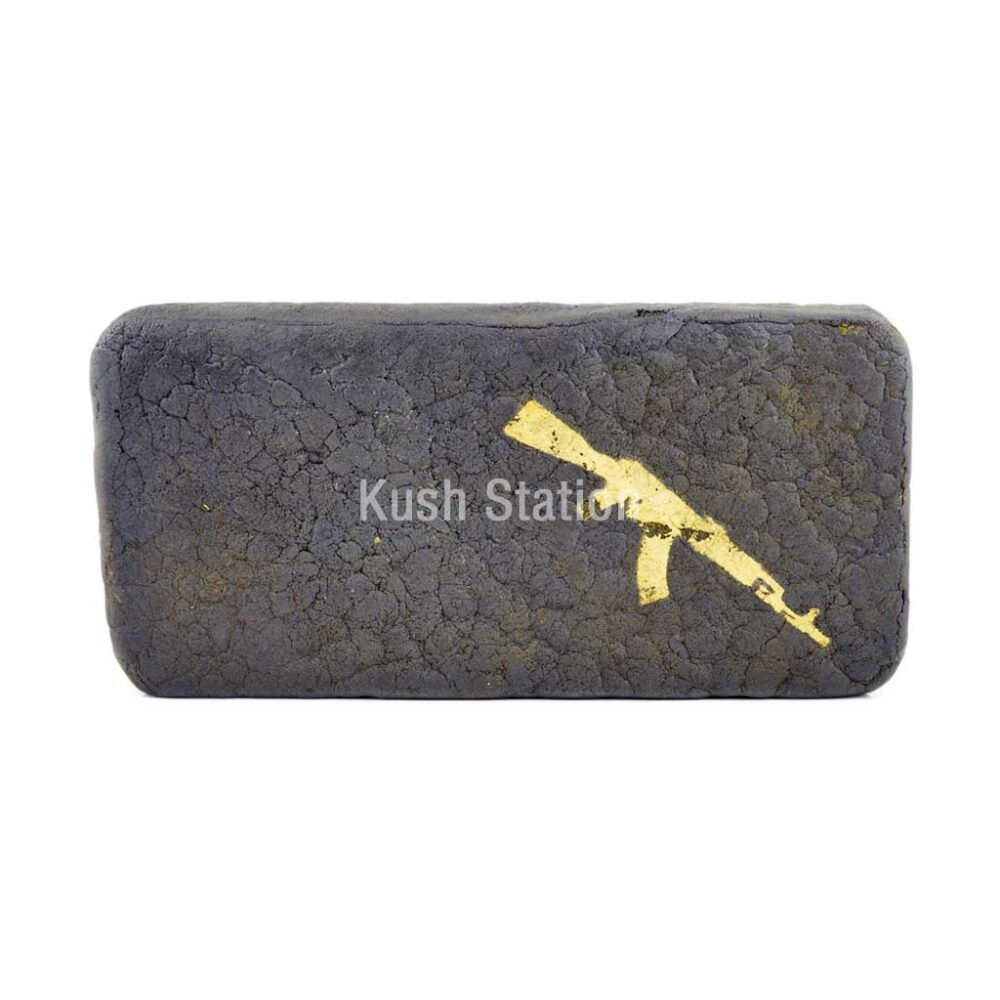
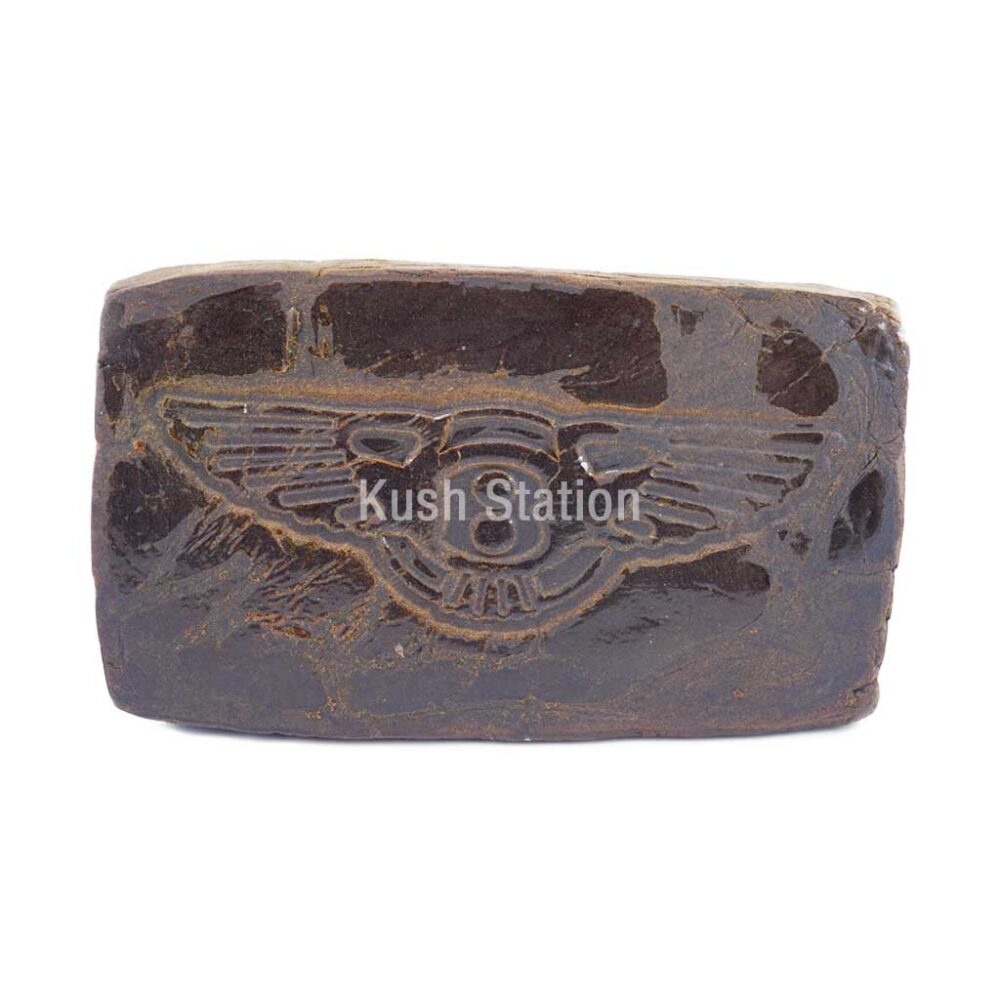
When you look at a premium high-THC hash under a decent microscope, you see intact trichome heads packed together. The color ranges from pale gold to deep brown, depending on the oxidation and pressing method. The texture can be soft and pliable like budder, or firm and crumbly like aged cheese. Each consistency offers a different experience on a dab rig or in a vaporizer. The key is that the cannabinoid profile remains robust because the gentle extraction process avoids the heat and chemical degradation that can happen with faster methods.
One of my personal tests for any concentrate is how it behaves on a warm tool. A well-made hash will melt evenly without sizzling or leaving a dark residue. It releases a cloud of vapor that tastes of the original plant, not of burnt plant matter. That clean experience is what drives many experienced users back to hash after years of chasing high-terpene live resin or brittle shatter.
Why high-THC hash deserves a spot in your concentrate rotation
If you are used to dabbing live resin for its intense flavor, or shatter for its easy handling, you might wonder why you would bother with hash. I asked myself the same question a few years ago. Then I tried a batch of high-THC hash made from a strain known for myrcene and caryophyllene dominance. The effects were not just a blast of THC. They came on slowly, built into a full-body warmth, and lasted longer than most live resin dabs I had taken. That is the entourage effect in action. Because hash retains a broader profile of cannabinoids than some other extraction methods, the experience can feel more rounded and less one-dimensional.
Another practical reason to keep hash in your stash is shelf life. Live resin and budder tend to degrade faster when exposed to air and light. Their volatile terpenes start to evaporate within weeks, and the texture can change from a smooth paste to a sticky mess. Hash, especially when stored in a sealed concentrate jar in a cool dark place, can remain stable for months or even years. The pressing process removes most of the moisture and many of the volatile compounds that break down quickly. That means you can buy a gram of high-THC hash and take your time with it, without worrying that it will turn into a puddle of goo.
I have a friend who keeps a stash of different hash varieties specifically for travel or for situations where he cannot control the temperature of his storage. He will bring a small piece in a silicone container, and it stays workable even in a warm pocket. Try that with a jar of budder that has a low melting point. It is not impossible, but it is messier. Hash gives you portability and durability without forcing you to sacrifice potency.
How to choose and use high-THC hash
When you are shopping, look for lab test results if they are available. A reputable producer will have third-party testing that shows the THC percentage, the ratio of major cannabinoids, and a terpene profile. High-THC hash can test anywhere from 40% to 70% or more, depending on the starting material and the extraction method. Do not be impressed by a number alone. A 60% hash made from good genetics and processed gently will often provide a better experience than a 70% batch that was overheated or pressed too hard.
As for consumption, you have several options. A dab rig with a quartz banger works beautifully. Heat the banger to the right temperature, usually between 500 and 600 degrees Fahrenheit, let it cool for a few seconds, and drop in a small piece of hash. The vapor should be thick but not harsh. If you prefer a lower temperature, use a vaporizer designed for concentrates. Many handheld devices now have settings that work well for hash, especially if you break it into small crumbs and sandwich it between layers of flower or use a concentrate pad.
Dosage control is important. Because hash is dense and potent, a piece the size of a grain of rice can be enough for an experienced user. Beginners should start with even less. I have seen people load a dab that looked small and ended up coughing for ten minutes. The high-THC hash hits harder than most flower and many other concentrates, so respect the dose.
Solventless extraction and the purity factor
A lot of the high-quality hash on the market today comes from solventless extraction. That means no butane, propane, ethanol, or other chemicals touch the plant material. The separation happens through mechanical means, usually cold water and fine mesh screens. Ice water hash is the most common form, and when it is dried and pressed, it yields a product that is essentially pure trichome heads. No residual solvents, no waxes, no chlorophyll. Just the good stuff.
I prefer solventless extraction for any concentrate I use regularly, but especially for hash. The flavor is cleaner, and I do not have to worry about trace chemicals affecting my lungs. Some people argue that solvent-based extracts can achieve higher THC percentages or better terpene retention, and that is true in some cases. But the trade-off is purity. For me, the assurance of a clean product outweighs a few extra percentage points on a lab test. If you have access to both, try a side-by-side comparison. The difference in smoothness and aftertaste is noticeable.
The role of decarboxylation in hash potency
One factor that affects how hash hits you is decarboxylation. When you heat cannabis, THCA converts into THC, which is the form that binds to your endocannabinoid receptors. Fresh hash may contain a higher proportion of THCA, which means you need proper heat to activate it. Some people think old hash is stronger because it has partially decarboxylated over time. That is partially true. Aging can convert some THCA into THC, but it also degrades terpenes and other cannabinoids. The net effect is often a more sedating high with less flavor.
I keep a small jar of year-old high-THC hash for nights when I want a heavy, couch-lock feeling. The fresh stuff from the same batch tastes bright and energetic. Both have their place. If you are looking for a particular effect, ask the seller about the age of the hash and whether it has been stored properly. A fresh batch that has not been exposed to heat or light will still have a THCA-dominant profile. An older batch will have shifted toward more active THC, but may have lost some of the nuanced flavors of the original plant.
Storing hash for the long term
Proper storage makes a big difference. Keep your hash in a sealed concentrate jar, away from direct sunlight and heat. A dark cabinet or a drawer works well. Avoid plastic bags, because the terpenes can interact with the plastic over time and leach compounds. Glass is best. If you have a large amount, you can store it in a cool room or even a refrigerator, but let it come to room temperature before opening the jar to prevent condensation.
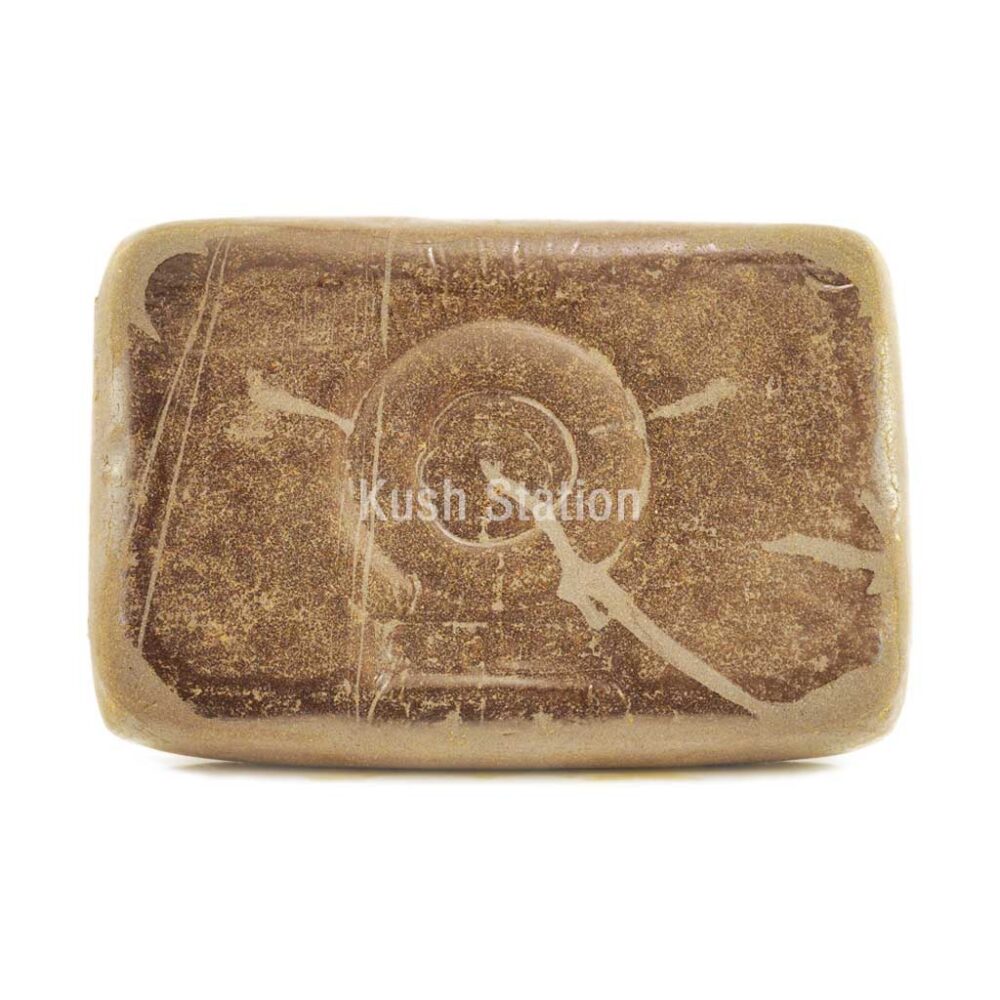
Some people press their hash into a coin shape and wrap it in parchment paper before putting it in a jar. That can help it keep its form and makes it easy to break off small pieces. I have a friend who stores different hash varieties in labeled glass vials, each one marked with the strain and the date. It sounds obsessive, but when you have a dozen different concentrates, organization saves you from guessing.
Final thoughts on the hash revival
Hash is no longer a relic of the past. It is a serious contender in the world of cannabis concentrates, and high-THC hash represents the best of what the form can offer. Whether you prefer the flavor of live resin, the consistency of shatter, or the versatility of budder, hash deserves a place alongside them. It offers a different texture, a different high, and a different connection to the plant. If you have not tried a modern solventless hash in the last few years, you may be surprised at how far it has come. Grab a small piece, load it into your favorite dab rig or vaporizer, and see what you think.